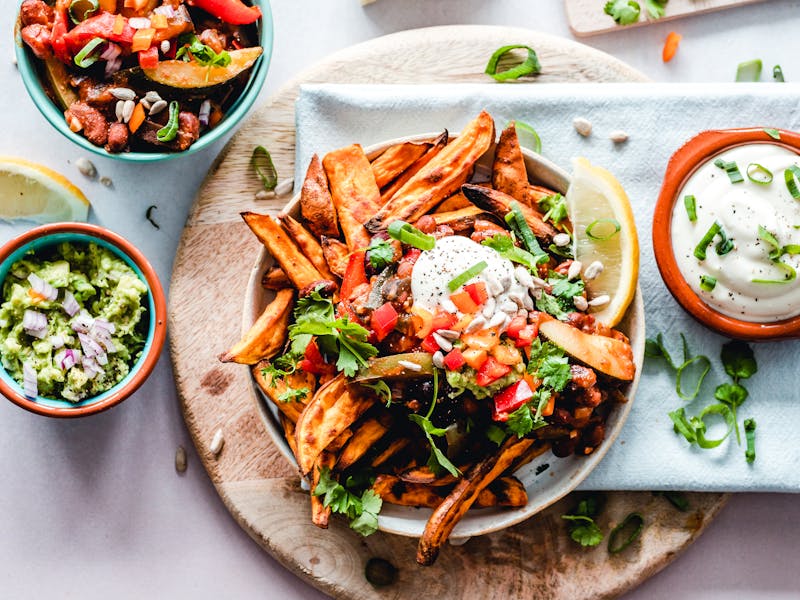
The most expensive food habit most people have is buying things they do not use. Expensive ingredients for plans that never happen, fresh produce that goes off, leftovers discarded. Food waste is one of the biggest budget drains.
Why This Matters
Cook from the bottom of the fridge before shopping. Before the supermarket, take stock of what you already have. Plan this week's meals around using what is there. Shop only for what is genuinely needed to complete those meals.
Common Mistakes to Avoid
The cheapest healthy foods are also among the most nutritious. Lentils, chickpeas, beans, oats, eggs, tinned tomatoes, frozen vegetables, seasonal produce, onions, potatoes, whole grains. A diet built around these is both affordable and genuinely healthy.
A Practical Approach That Works
Batch cooking reduces cost per serving dramatically. A pot of lentil soup costs the same whether it makes two portions or eight. Making eight and storing the extras means future meals cost almost nothing in time and a fraction of takeaway cost.
Final Thoughts
Reducing meat consumption is the fastest way to reduce the food budget. Replacing two or three meat dinners per week with bean, lentil or egg-based alternatives typically saves £20 to £30 monthly with no reduction in nutrition.
Have a question or want to share your experience? Get in touch via the contact page.